-
×
 Turbocharger | LR022358ACT 1 × $540.00
 -
×
 Rocker Cover, RH (3.0lt TD) | LR074623 1 × $350.00
 -
×
EGR Valve (to suit 2.7TD / 3.0TD) 1 × $290.00
-
×
Rocker Cover, Left, 3.2lt | 06E103471G 1 × $275.00
 Turbocharger | LR022358ACT
  Rocker Cover, RH (3.0lt TD) | LR074623
  EGR Valve (to suit 2.7TD / 3.0TD)
  Rocker Cover, Left, 3.2lt | 06E103471G
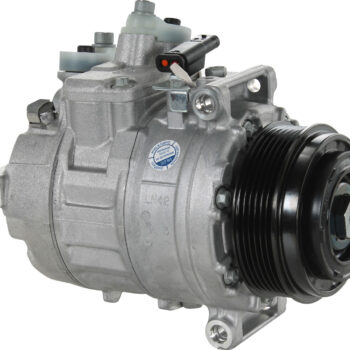
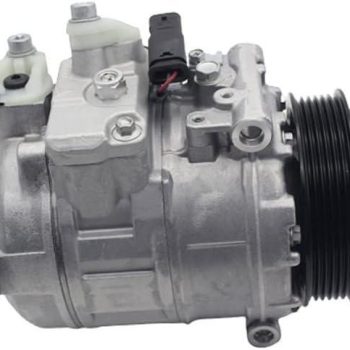
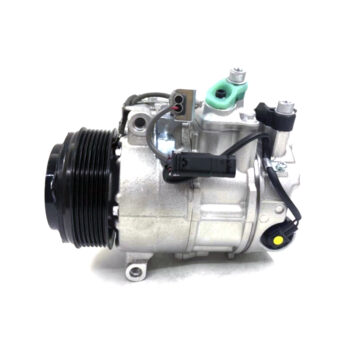
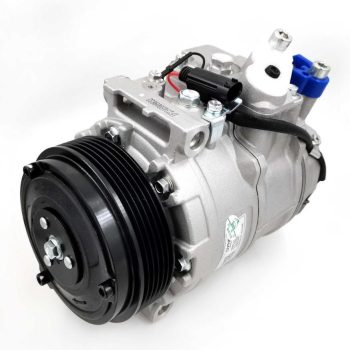
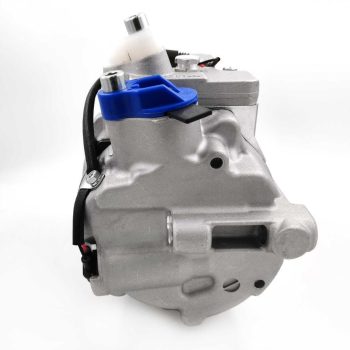
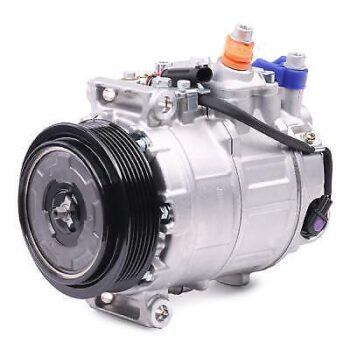
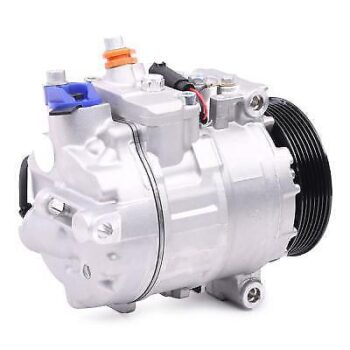
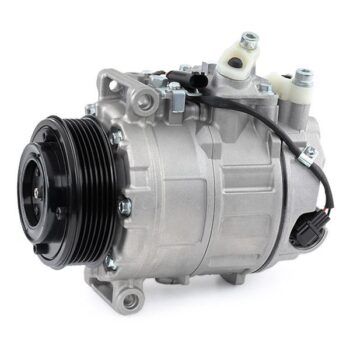
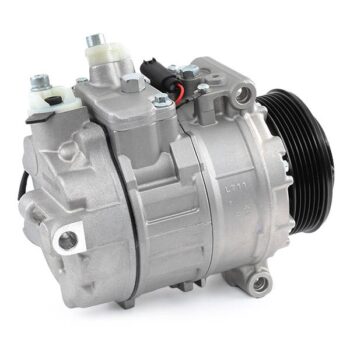
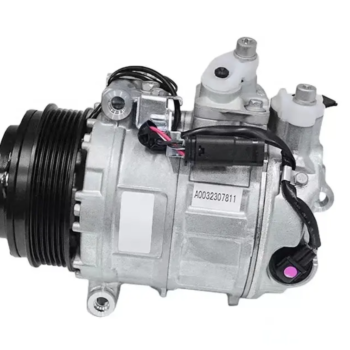
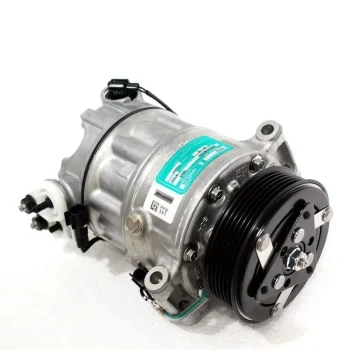
 A/C Compressor
A car AC compressor is the core of your vehicle’s air conditioning system. It circulates refrigerant through the system so heat can be removed from the cabin and replaced with cool air. Without a working compressor, the air conditioning cannot cool the vehicle properly.
The compressor puts pressure on the refrigerant and transfers it through the cooling system, which includes car ac condenser. As the refrigerant passes through these parts, heat from inside the cabin is let out. This allows cool air flow via the vents. A functioning compressor makes a big difference in how comfortable it is to drive in Australia, where summer temperatures may be very high.
When a compressor begins to fail, cooling performance quickly drops. In many cases, a full car AC compressor replacement is the most practical solution to restore the system.
Read More
Features and Specifications
Modern compressors are designed to operate under heat, vibration, and pressure inside the engine bay. Their design allows them to maintain consistent refrigerant flow while remaining compact.
Typical features include:
- Aluminium housing for strength and heat resistance
- Precision internal pistons or rotary compression systems
- Integrated clutch or variable displacement design
- Compatibility with common refrigerants such as R134a
Size and weight vary by vehicle. Smaller passenger cars usually use compact compressors, while SUVs and larger vehicles often require higher capacity units.
These compressors operate alongside other vehicle AC spare parts to maintain proper cooling performance.
Use Cases and Compatibility
AC compressors are used in most modern vehicles. The correct model depends on the engine layout and cooling requirements.
Common vehicle types include:
- Sedans and hatchbacks
- SUVs and 4WD vehicles
- Utes and light commercial vehicles
- Vans and small trucks
Compatible brands often include Toyota, Nissan, Ford, Holden, Mazda, Hyundai, Kia, Volkswagen, and BMW. Because mounting points, refrigerant capacity, and pulley systems vary, confirming compatibility before purchase is important.
Signs of a Failing Compressor
Several symptoms may indicate that the compressor is failing:
- Weak or warm air from the vents
- Unusual clicking, grinding, or rattling noises
- AC clutch not engaging
- Refrigerant leaks around the compressor
- Cooling that works intermittently
If these problems appear, the system may require a car AC compressor replacement.
Buying Guidance
Key things to check include:
- Vehicle make and model
- Engine type and size
- Refrigerant used by the system
- Hose connections and mounting points
OEM vs Aftermarket Compressors
When replacing a compressor, drivers usually choose between OEM and aftermarket options.
OEM compressors
Pros
- Designed to match the vehicle’s original specifications
- Reliable fit and performance
Cons
- Higher purchase price
Aftermarket compressors
Pros
- More affordable
- Widely available for many vehicles
Cons
- Quality varies between manufacturers
For many drivers, a well-made aftermarket compressor offers reliable cooling at a lower cost.
Comparing AC Compressors
Some models use fixed displacement systems that run at a constant output. Others use variable displacement systems that adjust cooling performance based on demand.
When comparing compressors, consider:
- Cooling efficiency
- Internal compression design
- Price and warranty
- Manufacturer reputation
Higher quality compressors usually provide smoother operation and longer service life.
Sizing and Fitment
To confirm fitment, check:
- Vehicle VIN or engine code
- Compressor mounting points
- Hose and belt connections
- Refrigerant compatibility
Many suppliers also provide a vehicle fitment tool. Entering your vehicle details helps confirm compatibility before purchasing.
Care and Maintenance
Regular maintenance can extend the life of a car AC compressor, especially in Australia’s hot climate.
- Run the air conditioning regularly, even in cooler months
- Keep the condenser area clear for proper airflow
- Inspect the system for refrigerant leaks
- Have the AC system checked during routine servicing
High temperatures and humidity increase the load on the air conditioning system, so periodic inspections are important.
FAQs
What are the common signs that indicate I need to replace my car AC compressor?
Weak cooling, warm air from the vents, unusual noises, or refrigerant leaks are common signs of compressor failure.
How do I know if an AC compressor will fit my vehicle?
Check the vehicle make, model, engine type, and compressor specifications. A vehicle fitment tool can help confirm compatibility.
What is the difference between OEM and aftermarket AC compressors?
OEM compressors match the original factory design. Aftermarket compressors are usually more affordable and widely available.
How can I maintain my AC compressor to ensure it lasts longer?
Run the AC regularly, keep the condenser clean, and service the system during routine maintenance.
What should I do if my AC compressor is making unusual noises?
Have the system inspected as soon as possible. Strange noises often indicate internal wear or damage.
How long does an AC compressor typically last under normal driving conditions?
Most compressors last around 8 to 12 years, depending on driving conditions, climate, and maintenance.