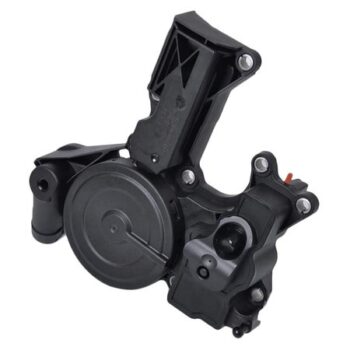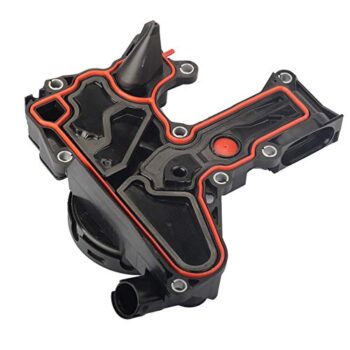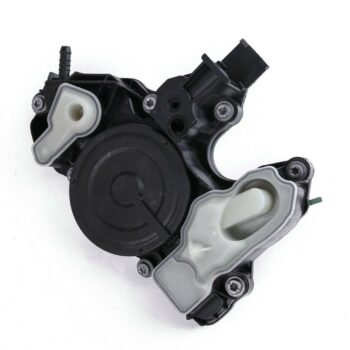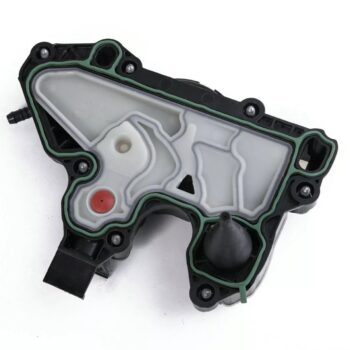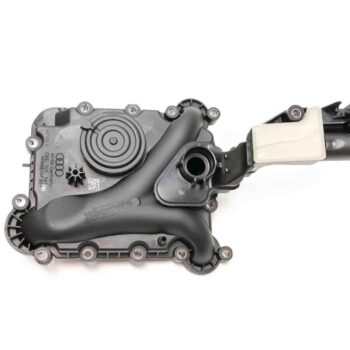
PCV Valve
A PCV valve is a small but important part of your vehicle’s ventilation system. PCV stands for Positive Crankcase Ventilation. Its role is to control the gases that build up inside the engine during combustion. Without it, pressure and vapours can build up in the crankcase, affecting how the engine runs.
In a modern PCV valve car system, the valve redirects these gases back into the intake so they can be burned again. This improves engine efficiency and helps reduce emissions. A properly working car PCV valve also protects internal parts such as the piston, seals, and gaskets from excess pressure.
Read More
How Does a PCV Valve Work
During combustion, small amounts of gas escape past the piston rings and enter the crankcase. These gases are known as blow-by gases. If they stay trapped, they can create pressure and contaminate engine oil.
The PCV valve controls how these gases move out of the crankcase and back into the intake system. It relies on engine vacuum to regulate airflow.
When vacuum is high, such as at idle, the valve restricts airflow. When vacuum drops during acceleration, the valve opens more to allow gases through. This balance helps maintain proper pressure inside the engine and protects components connected to the rocket cover and oil pump system.
Symptoms of a Faulty PCV Valve
A faulty PCV valve can lead to several noticeable issues. Because it controls crankcase ventilation, even a small problem can affect engine performance.
Common Signs
- Rough or unstable idle
- Increased oil consumption
- Oil leaks around seals
- Engine sludge buildup
- Check engine light
- Poor fuel economy
- Excess exhaust smoke
When the Valve Is Stuck Closed
Pressure builds inside the crankcase. This may cause oil leaks, sludge buildup, and reduced engine efficiency.
When the Valve Is Stuck Open
Too much air enters the intake system. This can lead to rough idle, lean fuel mixtures, and hesitation during acceleration.
Replacing a faulty valve early helps prevent larger engine problems.
Compatibility and Use Cases
PCV valves are used in most petrol powered vehicles. The design varies depending on the engine layout and manufacturer.
Common compatible brands include:
- Toyota
- Nissan
- Mazda
- Ford
- Holden
- Hyundai
- Kia
- Honda
- Volkswagen
- BMW
To find the correct valve, check the vehicle’s VIN, engine type, or OEM part number. If you are unsure, you can submit a part request or browse available used-parts.
Features and Specifications
PCV valves are built in different materials and designs depending on the engine.
Materials
- Metal housing for durability and heat resistance
- Reinforced plastic for modern lightweight engines
Types of PCV Valves
Standard PCV valves
Designed for everyday vehicles and factory engine setups.
Performance PCV valves
Used in modified engines where higher airflow is required.
Size Variations
PCV valves differ in hose size, thread type, and airflow capacity. Choosing the correct size ensures proper crankcase ventilation.
Care and Maintenance
Regular inspection helps keep the PCV valve working properly.
Maintenance Tips
- Check the valve during routine servicing
- Inspect connected hoses for leaks or cracks
- Shake the valve lightly. A small rattle often indicates it is working
Inspection Interval
Most mechanics suggest checking the PCV valve every 20,000 to 30,000 kilometres.
Signs It Needs Replacing
- Oil leaks or sludge buildup
- Rough engine idle
- Increased oil consumption
Buying Guidance
When buying a PCV valve, make sure it matches your vehicle’s engine specifications.
Things to consider include:
- Vehicle make and model
- Engine type and size
- OEM part number
- Hose or thread connection size
OEM valves match factory specifications. Aftermarket options can provide reliable performance at a lower cost when sourced from trusted suppliers.
Comparison of PCV Valves
Standard Replacement Valves
Affordable and suitable for most vehicles.
OEM Valves
Exact factory fit and consistent airflow control, though usually more expensive.
Performance Valves
Higher airflow capacity for modified engines. Often unnecessary for standard vehicles.
For most drivers, a quality standard replacement valve offers a good balance between cost and reliability.
FAQs
What is the average lifespan of a PCV valve?
Most PCV valves last between 30,000 and 80,000 kilometres depending on driving conditions.
How often should I replace my PCV valve?
Many mechanics recommend checking it during regular servicing and replacing it if signs of wear appear.
Can I clean my PCV valve instead of replacing it?
Light cleaning can sometimes help, but replacement is usually the safer option since the part is inexpensive.
What happens if I drive with a faulty PCV valve?
It can cause oil leaks, sludge buildup, poor engine performance, and higher emissions.
How do I locate the PCV valve in my vehicle?
It is typically located on or near the rocket cover and connected to the intake system by a hose. The exact position depends on the engine design.