
-
×
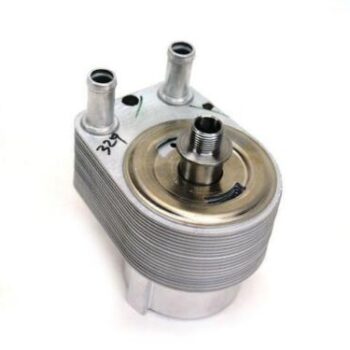
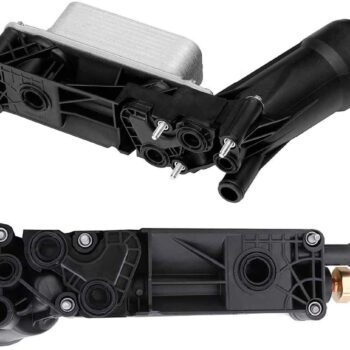
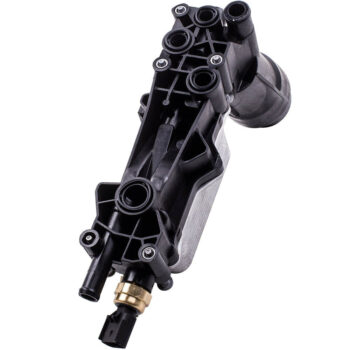
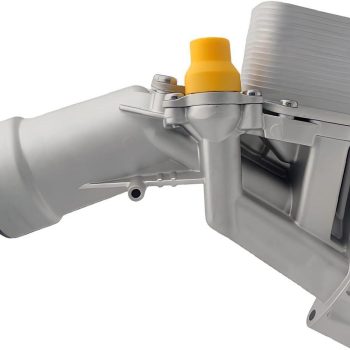
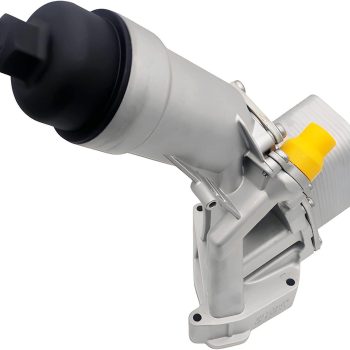
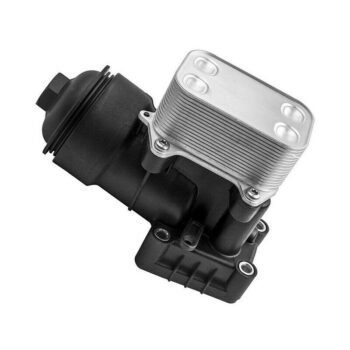
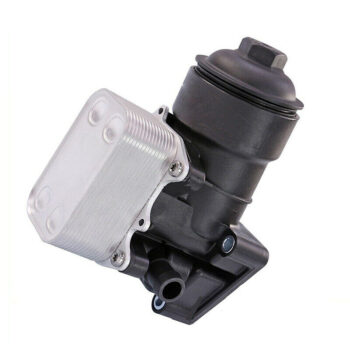
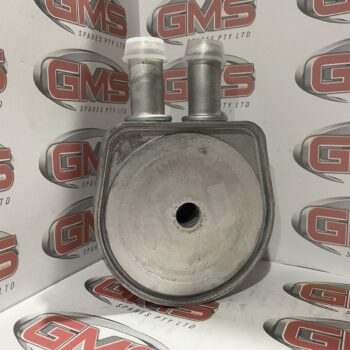
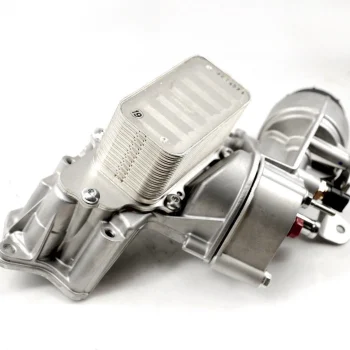
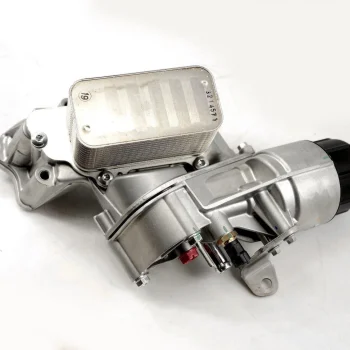
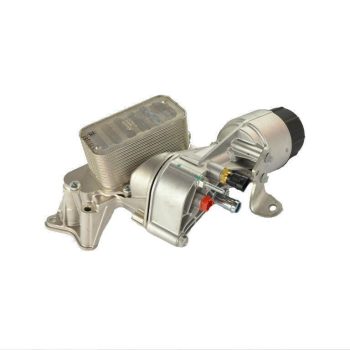
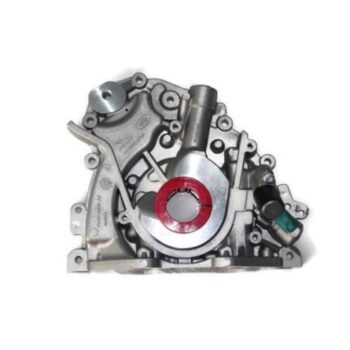
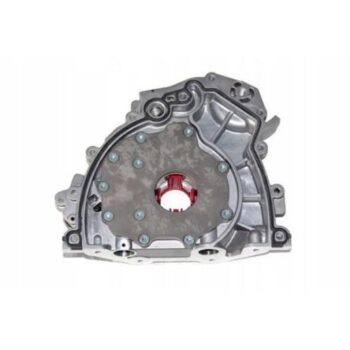
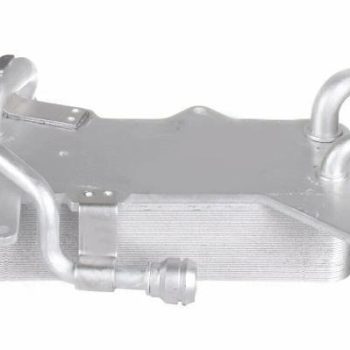
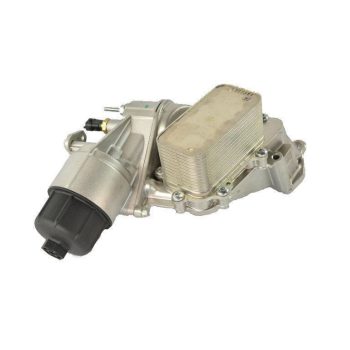 Oil Filter Housing w/ Cooler, 3.0TD | 68525212AA
1 × $1,600.00
Oil Filter Housing w/ Cooler, 3.0TD | 68525212AA
1 × $1,600.00
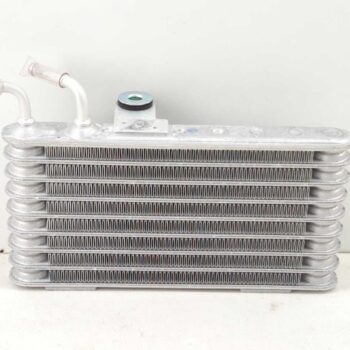
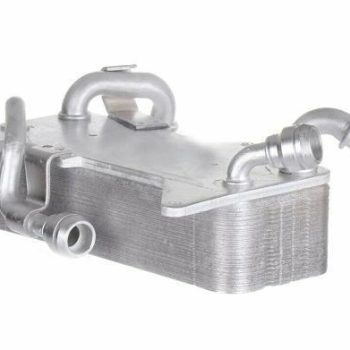
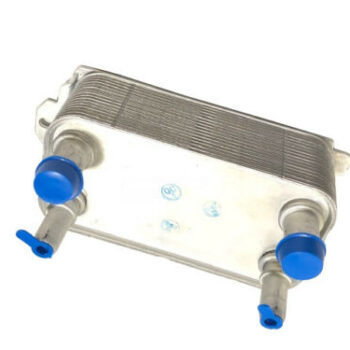
Oil Cooler
Heat builds up quickly once your vehicle is running. If it is not controlled, oil starts to thin out and parts begin to wear faster. That is where an oil cooler comes in. It helps keep temperatures steady so your engine and gearbox can do their job properly.
An engine oil cooler keeps engine oil at the right temperature. A transmission oil cooler does the same for gearbox fluid. Both work alongside your cooling system, including parts like the car radiator, to keep everything balanced.
At GMS Spares, we stock a wide range of oil coolers across different makes and models. Getting the right one early can save you from bigger repair costs later.
Read More
Engine Oil Cooler vs Transmission Oil Cooler
These two parts look similar, but they handle different jobs.
Engine oil cooler
This unit controls the temperature of your engine oil. It helps protect internal parts and keeps lubrication consistent, especially in hotter conditions or longer drives.
Transmission oil cooler
This manages heat in the gearbox. It is important for automatic vehicles, towing, and stop-start driving where the transmission is under more stress.
Both are important. If either one starts to fail, it can affect how your vehicle performs.
Types of Oil Coolers Available
Different vehicles use different designs. We stock a range to suit.
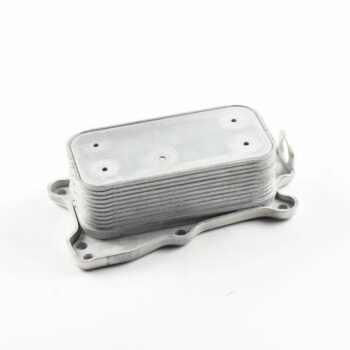
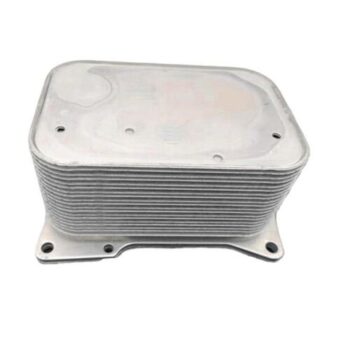
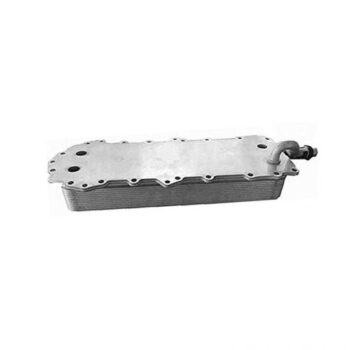
Engine oil coolers
Standalone units designed to regulate engine oil temperature.
Transmission oil coolers
Used to protect gearboxes under load.
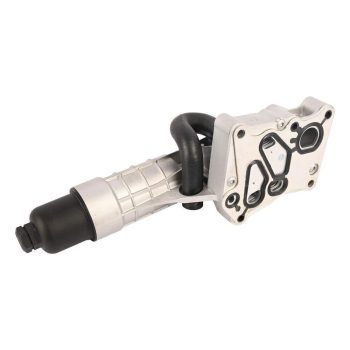
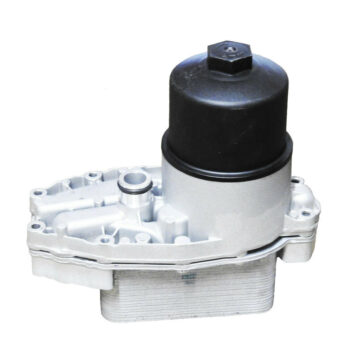
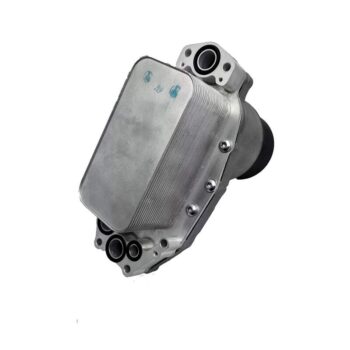
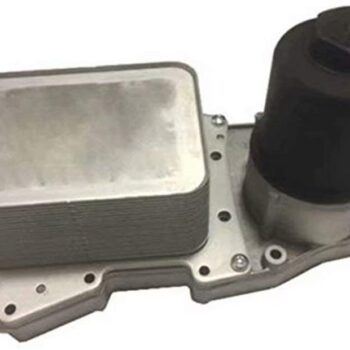
Oil cooler with filter housing
A combined unit that includes the oil filter mount. Common in Chrysler, Dodge, and Jeep models where this part is known to fail over time.
Oil cooler radiator integration
Units built into or connected to the radiator assembly, often referred to as an oil cooler radiator setup.
What to Look for in an Oil Cooler
When choosing an engine cooler, the basics matter most. Fit, build quality, and reliability.
- Aluminium cores for better heat transfer
- Reinforced or plastic end tanks depending on design
- Built to match OEM flow and pressure levels
- OEM part code cross-referencing for accurate fit
- Available as new, used, aftermarket, or genuine OEM
These details affect how well the cooler performs and how long it lasts once installed.
Compatibility Across Popular Vehicles
We supply oil coolers for a wide range of vehicles across Australia.
This includes Chrysler, Dodge, Ford, Holden, Holden Cruze, Haval, Hyundai, Jeep, Land Rover, Mazda, Nissan, Peugeot, Renault, Tesla, Toyota, and European brands like Audi, BMW, Mercedes-Benz, Volkswagen, Volvo, Porsche, Skoda, Mini, and Jaguar.
Use cases vary depending on the setup:
- Engine oil cooler for everyday vehicles and performance engines
- Transmission oil cooler for automatics, towing, and heavier driving
- Combined units for Chrysler, Dodge, and Jeep applications
You can also explore related engine cooling parts and transmission parts when completing your repair.
Signs Your Oil Cooler Might Be Failing
Oil cooler issues usually start small. They get worse if left too long.
Engine oil cooler signs
- Oil leaks around the engine or near the transmission
- Oil mixing with coolant
- Higher than normal engine temperatures
Transmission oil cooler signs
- Coolant loss with no clear source
- Transmission overheating
- Slipping or rough gear changes
Even a small leak can turn into a bigger problem. Replacing the unit early helps avoid more serious damage.
What to Check Before You Buy
Choosing the right oil cooler comes down to a few simple checks.
- Match the OEM part code where possible
- Confirm compatibility using VIN or model details
- Choose between new, used, aftermarket, or genuine OEM
New and genuine parts usually last longer. Used and aftermarket options can offer better value when chosen carefully.
Some parts move quickly, especially for common models. Once you confirm the right fit, it is worth securing it. We ship across Australia with parts ready to go.
Finding the Right Oil Cooler
Start with your vehicle details. Use Make, Model, and Variant to narrow your options.
If you have the OEM or SKU code, use it to match directly. This is the most reliable way to get the correct part. If you are unsure, reach out to our team and we will confirm compatibility before you order.
Keeping Your Oil Cooler in Good Condition
A bit of regular maintenance goes a long way.
- Change oil and coolant at recommended intervals
- Check for leaks during servicing
- Keep an eye on temperature and pressure changes
If you are installing a used unit, clean it properly before fitting to remove any residue.















FAQs
What is the difference between an engine oil cooler and a transmission oil cooler?
An engine oil cooler manages engine oil temperature. A transmission oil cooler controls heat in the gearbox.
How do I know if my oil cooler needs replacing?
Look for leaks, overheating, or oil mixing with coolant. These are common signs.
Are aftermarket oil coolers reliable?
Yes. Quality aftermarket parts can perform well when matched correctly.
How do I find the right oil cooler for my vehicle?
Use your VIN or OEM part code to confirm the correct fit.
Does GMS Spares ship oil coolers across Australia?
Yes. We deliver nationwide with fast dispatch.
Can I install an oil cooler myself?
Some installs are simple, but professional fitting is recommended to ensure proper sealing and performance.