-
×
 Turbocharger (to suit 2.5lt Diesel BJL/BJM)
1 × $1,125.00
Turbocharger (to suit 2.5lt Diesel BJL/BJM)
1 × $1,125.00 -
×
 Turbo Actuator Only | 06K145725T
2 × $640.00
Turbo Actuator Only | 06K145725T
2 × $640.00 -
×
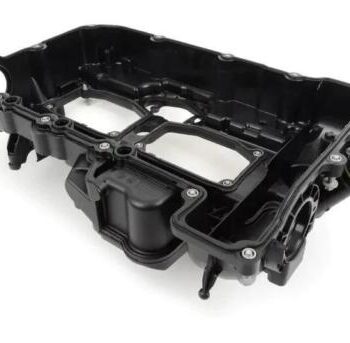
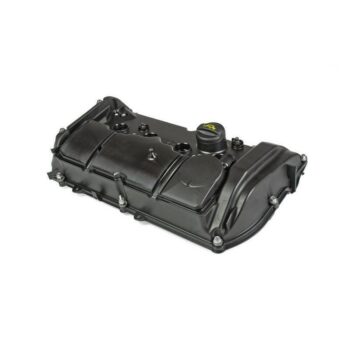
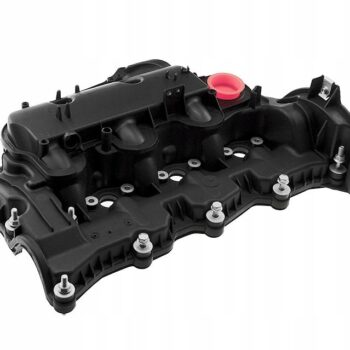
 Engine Valve Cover (to suit N52N)
1 × $390.00
Engine Valve Cover (to suit N52N)
1 × $390.00 -
×
Turbocharger (to suit 2.0lt Diesel BRE)
1 × $960.00
-
×
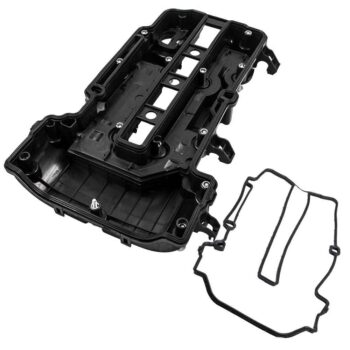
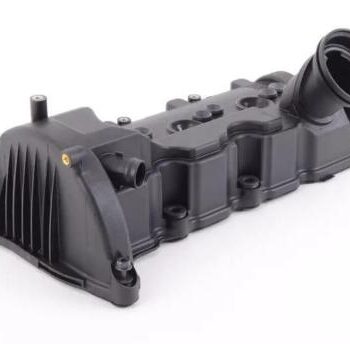
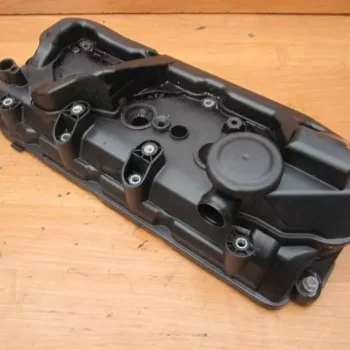
Rocker Cover, RH | 059103470CA
1 × $490.00
-
×
Turbo Actuator (CASA/CYDA/M05.9D) | 776470
1 × $425.00
-
×
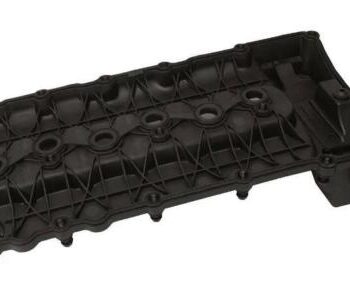
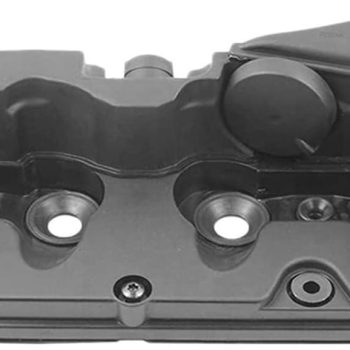
 Rocker Cover | 059103469BD
1 × $480.00
Rocker Cover | 059103469BD
1 × $480.00 -
×
 Turbo Actuator Only | 06L145612L
3 × $640.00
Turbo Actuator Only | 06L145612L
3 × $640.00 -
×
Turbocharge | BK3Q6K682CB_NG
1 × $960.00
-
×
Turbocharger (to suit 2.5lt Diesel ACV/AUF/AYC)
1 × $740.00
-
×
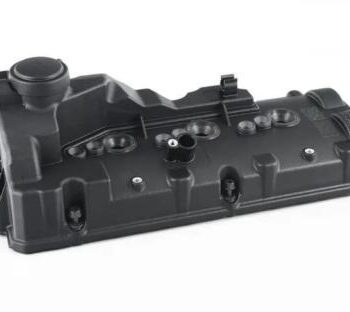
Rocker Cover (N20) | 11127588412
1 × $395.00
-
×
Turbocharger Actuator (to suit 1.8lt Petrol / 2.0lt Petrol)
1 × $640.00
-
×
Turbocharger | 11657823256
1 × $1,925.00
-
×
Turbo Actuator (to suit 3.0TD BUG/BMK/BKS Engine)
1 × $450.00
-
×
Rocker Cover | 11127646553
1 × $340.00
-
×
Turbocharger (to suit 2.5lt Turbo Diesel D4CB)
1 × $950.00
-
×
Turbocharger (to suit 1.8lt Petrol AUQ/BVP/BVR/AWU/AUM)
1 × $1,225.00
-
×
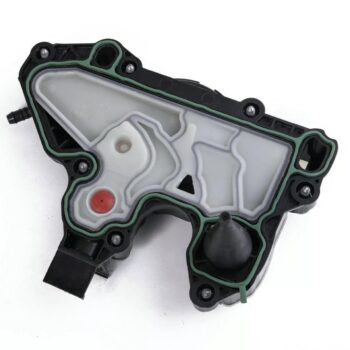
PCV Valve (1.8/2.0 Petrol) | 06K103495AJ
1 × $140.00
-
×
 Oil Separator PCV Valve | 06E103547E
1 × $290.00
Oil Separator PCV Valve | 06E103547E
1 × $290.00
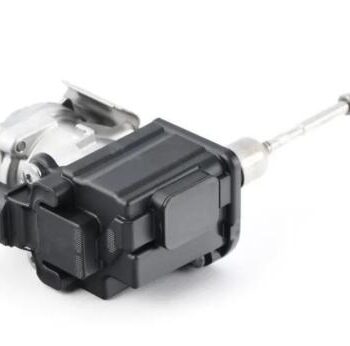 Turbo Actuator Only | 06K145725T
  Turbocharger (to suit 2.0lt Diesel BRE)
  Turbo Actuator (CASA/CYDA/M05.9D) | 776470
  Turbo Actuator Only | 06L145612L
  Turbocharge | BK3Q6K682CB_NG
  Turbocharger (to suit 2.5lt Diesel ACV/AUF/AYC)
  Turbocharger Actuator (to suit 1.8lt Petrol / 2.0lt Petrol)
  Turbocharger | 11657823256
 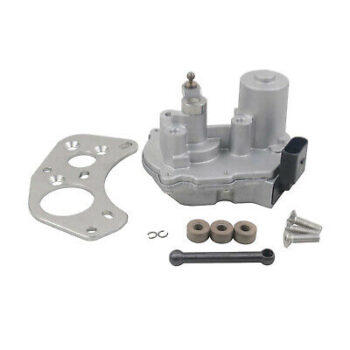 Turbo Actuator (to suit 3.0TD BUG/BMK/BKS Engine)
  Turbocharger (to suit 2.5lt Turbo Diesel D4CB)
 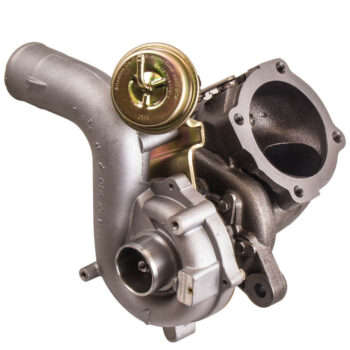 Turbocharger (to suit 1.8lt Petrol AUQ/BVP/BVR/AWU/AUM)
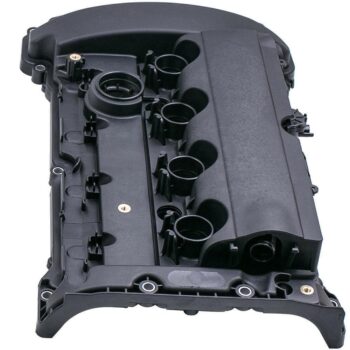
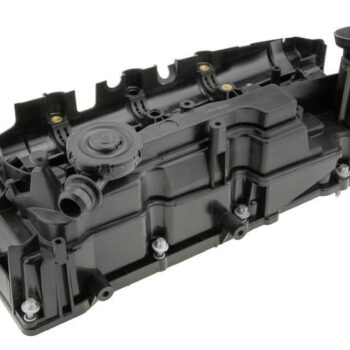
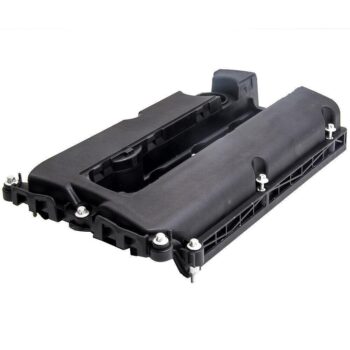
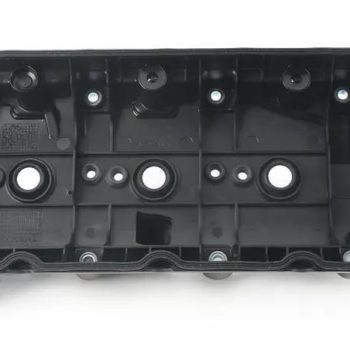
 Rocker Cover Replacements & Gaskets
A rocker cover gasket is a sealing component placed between the rocker cover and the top of the engine. Its role is simple but important. It keeps engine oil contained inside the valve train area and the piston system while preventing dirt or debris from entering the engine. Although it is a small part, it plays a big role in keeping the engine clean, lubricated, and running smoothly.
Over time, engine heat and constant vibration can cause the gasket to harden or crack. When that happens, oil may begin to leak around the rocket cover area. Replacing a worn rocker gasket cover early helps prevent oil loss and protects nearby engine components from contamination.
Read More
Features and Specifications
Rocker cover gaskets are designed to handle high temperatures, engine vibration, and continuous oil exposure. The material used in the gasket often determines how well it seals and how long it lasts.
Common Materials
Rubber gaskets
Rubber is widely used because it is flexible and seals well against metal surfaces. It works reliably in most everyday vehicles.
Silicone gaskets
Silicone versions offer stronger heat resistance and can last longer in engines that run hotter.
Composite gaskets
Composite gaskets combine rubber with reinforced materials to improve strength and maintain a consistent seal.
Most rocker cover gaskets are molded to match the shape of the valve cover. This allows them to seal properly around bolts and curved edges on the rocket cover car assembly.
Use Cases and Compatibility
Rocker cover gaskets are used in almost every petrol and diesel engine. The design varies depending on the engine layout and manufacturer.
Common compatible vehicle brands include:
- Toyota
- Nissan
- Mazda
- Ford
- Holden
- Hyundai
- Kia
- Honda
- Volkswagen
- BMW
Some engines use a single gasket, while V shaped engines usually require two. Extra seals may also be present around areas like the PCV valve or spark plug tubes.
When Replacement Is Needed
A rocker cover gasket may need replacing if you notice:
- Oil leaking from the top of the engine
- A burning oil smell after driving
- Oil residue around rocker cover bolts
- Oil dripping onto nearby components, such as the oil pump
If you are unsure which gasket fits your vehicle, you can submit a part request or explore available used-parts.
Comparison of Rocker Cover Gaskets
There are two common choices when replacing a rocker cover gasket.
OEM Rocker Cover Gaskets
Pros
- Designed to match factory engine specifications
- Reliable fit and sealing performance
Cons
- Usually more expensive than aftermarket options
Aftermarket Rocker Cover Gaskets
Pros
- More affordable
- Widely available for many vehicle models
Cons
- Quality may vary depending on the manufacturer
For most vehicles, a good quality aftermarket gasket performs well when installed correctly.
Sizing Information
Choosing the correct gasket size is important to ensure a proper seal.
How to Identify the Correct Size
- You can confirm the correct gasket by:
- Checking the vehicle’s VIN or engine code
- Comparing the new gasket with the old one
- Confirming the bolt pattern and gasket shape
Four cylinder engines usually use one gasket, while V engines often require two separate gaskets.
Care and Maintenance
Rocker cover gaskets can last many years, but regular checks help prevent oil leaks.
Maintenance Tips
- Inspect the rocker cover area during routine servicing
- Clean away oil buildup around the valve cover
- Ensure bolts are tightened evenly after maintenance
Signs It Is Time to Replace
- Visible cracks in the gasket
- Oil pooling around the rocker cover
- Persistent oil smell from the engine bay
Replacing the gasket early prevents oil from leaking onto other engine parts and helps maintain proper lubrication.
Buying Guidance
When purchasing a rocker cover gasket, it is important to choose one designed for your engine.
Things to consider include:
- Vehicle make and model
- Engine configuration
- Gasket material
- Brand reliability and warranty
OEM gaskets match factory specifications. Quality aftermarket options can also provide reliable performance and are often more affordable. Choosing the correct gasket helps ensure a proper seal and long term engine protection.
FAQs
What is a rocker cover gasket and what does it do?
A rocker cover gasket seals the gap between the rocker cover and the engine. It prevents oil leaks and protects internal engine components.
How can I tell if my rocker cover gasket needs replacing?
Common signs include oil leaks around the valve cover, a burning oil smell, or visible oil buildup on the engine.
Can I drive with a leaking rocker cover gasket?
You may be able to drive for a short time, but it is not recommended because oil leaks can worsen and affect other engine parts.
What are the risks of not replacing a faulty rocker cover gasket?
Ignoring a leak can lead to oil loss, contamination of nearby components, and potential engine damage over time.
How do I install a rocker cover gasket properly?
The rocker cover is removed, the sealing surface cleaned, and the new gasket fitted evenly before tightening the bolts to the correct torque.